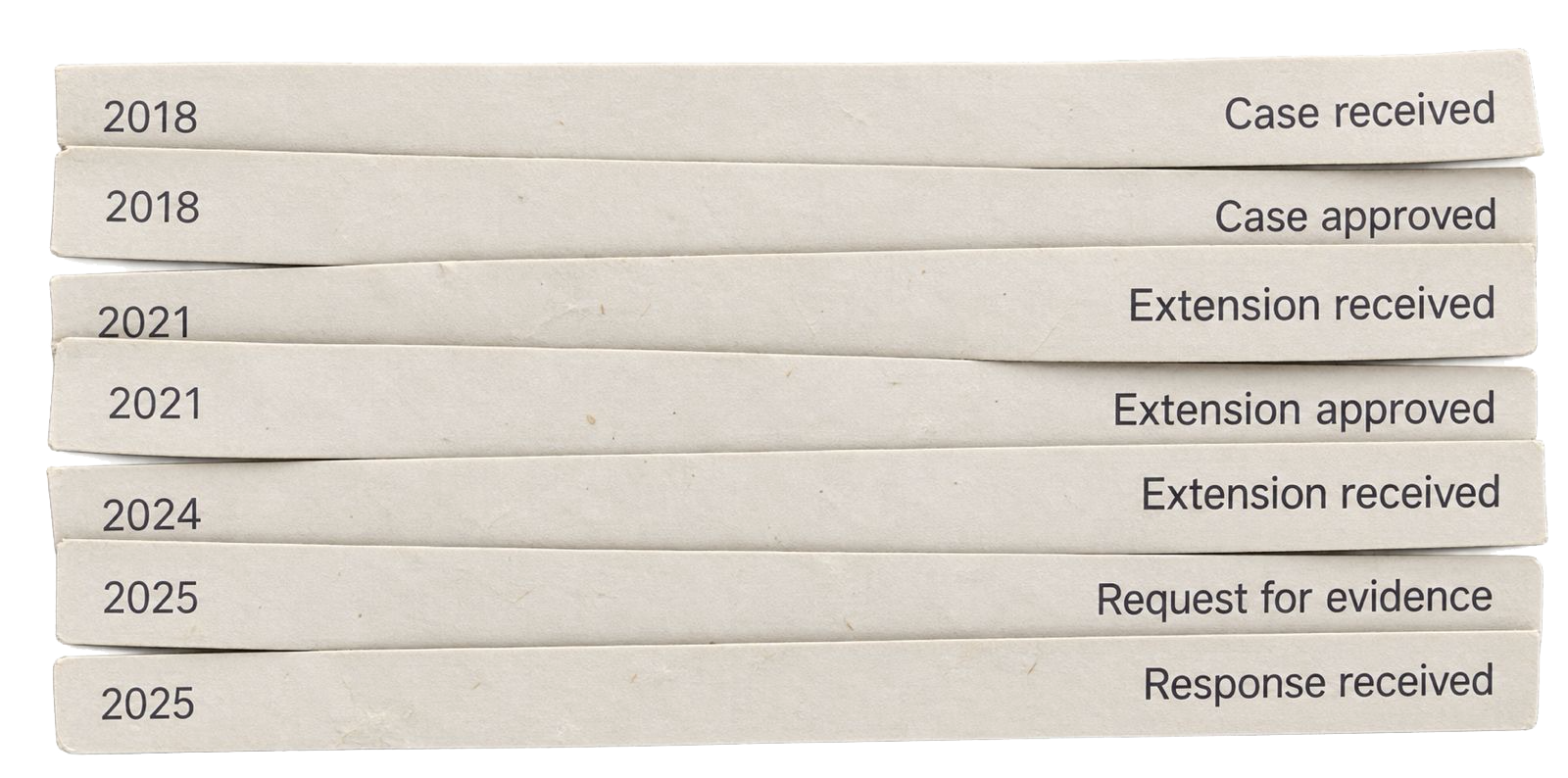
Case status online
Case Was Denied
We have denied your petition. This decision is final. If you believe we made an error, you may file a motion within the time allowed.
Page refreshed 214 times
PhoneVoicemail
Hendricks and Park Immigration Law
“You’ve reached the offices of Hendricks and Park Immigration Law. Our office hours are Monday through Friday—”
To: David
David, call me. It’s urgent.
Delivered
PhoneOutgoing call · 2:14
Mamá
Madrid, Spain
“¿Qué significa definitivo?”What does “final” mean?
“Vuelve a casa, Mateo.”Come home, Mateo.
Ridenow
Your driver is on the way
Rodrigo is 4 minutes away. Grey Prius.
Ride12:41 AM
Trip ended early
Figueroa and Olympic. Lost item reported by your driver: phone.
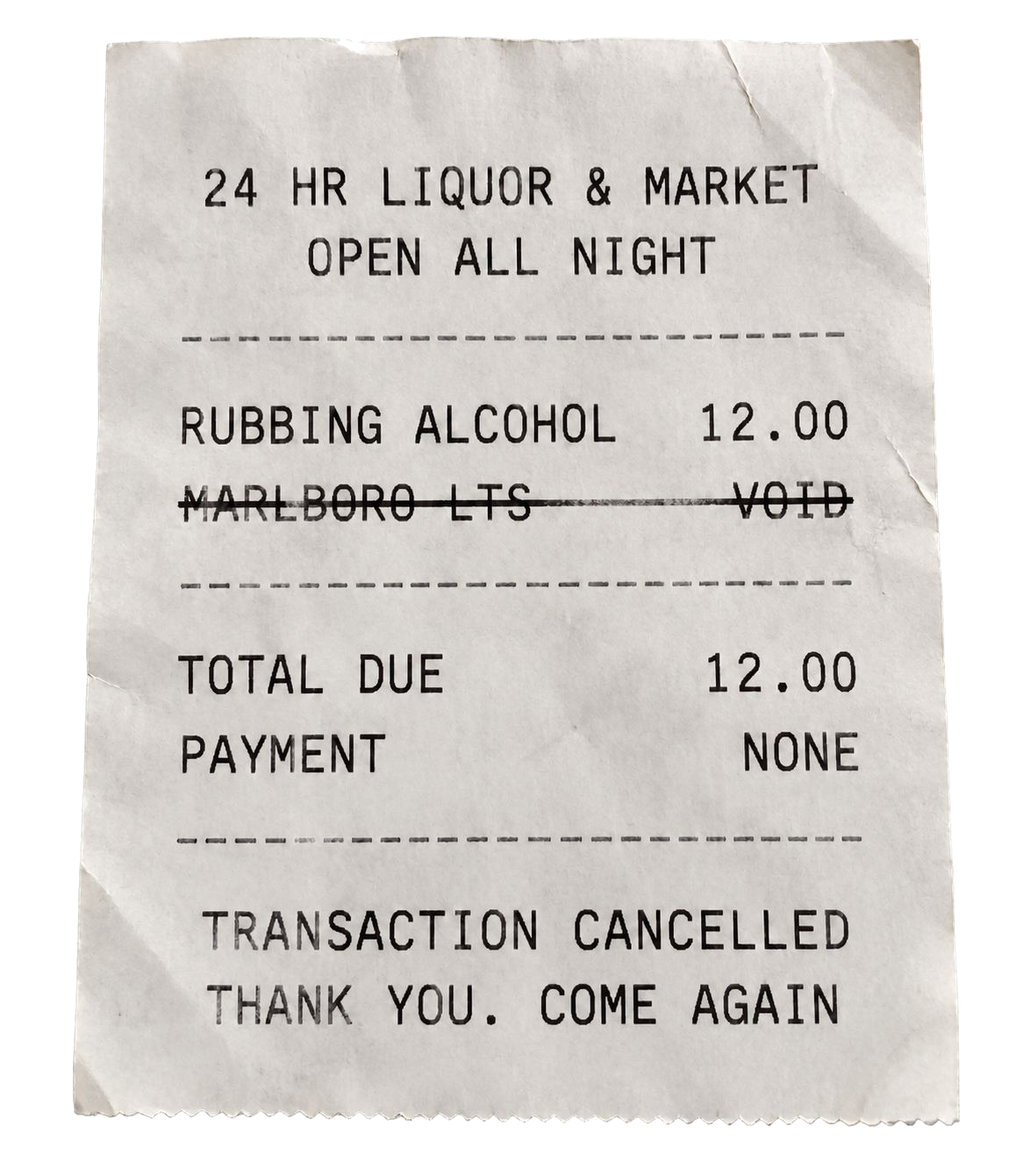

Front door · 03:22:41
Motion detected at your front door.
Emergency Alert
Griffith Park area
Residents in the area are advised to remain aware of their surroundings. Report any activity to the appropriate authorities. This message will not repeat.